Fast and reliable
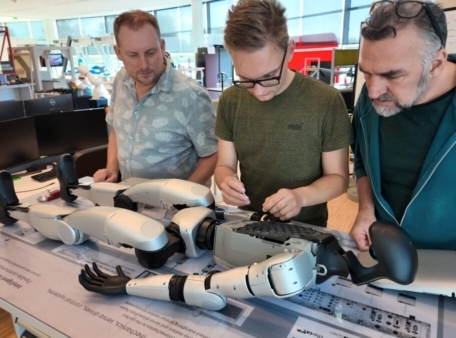
5G does offer possibilities for wireless, lightning-fast exchange of large quantities of data in a greenhouse in a safe and reliable manner. Furthermore, the government is encouraging companies to make greenhouse work less strenuous, easier and more sustainable. Do IoT Fieldlab, together with the TU Delft fieldlab Robohouse, will therefore initially set up and test a 5G installation in a small-scale greenhouse. After the initial experiments, the next phase will focus on testing in a realistic environment: at Tomatoworld, the information and education center in the Westland region.
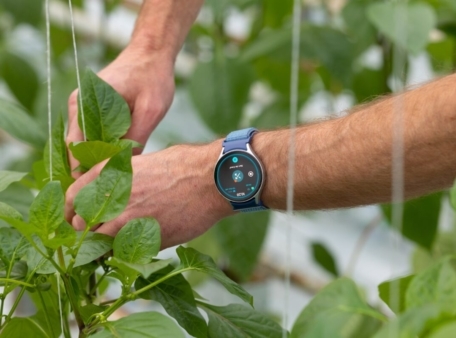
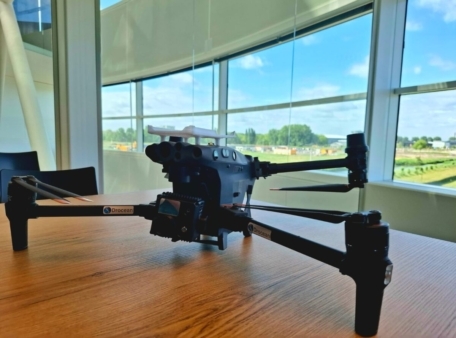
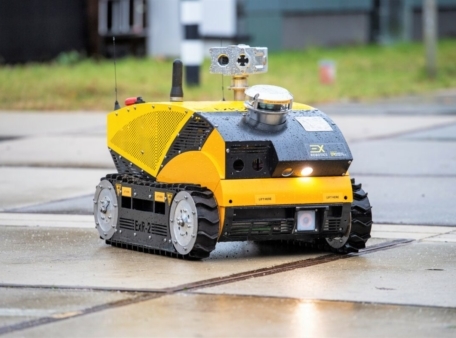
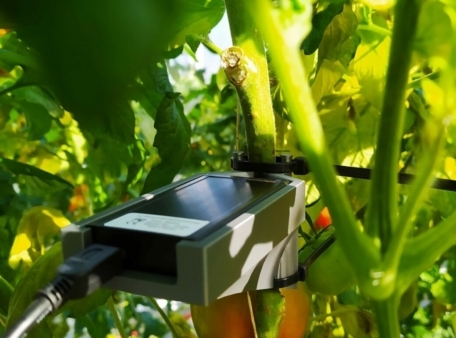
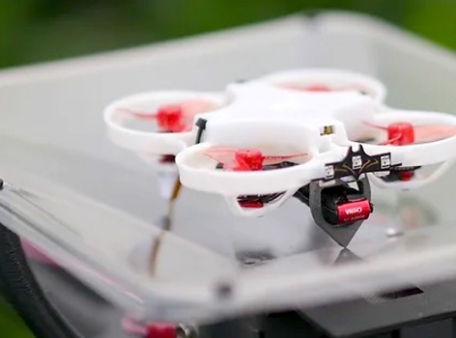
The aim of this project is to jointly develop useful solutions for the sustainable production of crops, with respect for people and the environment. For example, the use of drones that detect insects and provide insight into whether this is a desired or undesired insect in this greenhouse. Or, for instance, accurately measuring how much moisture a plant contains so that each plant gets the right amount of water. In addition, entrepreneurs are also challenged to come up with proposals for robots that will make the work of people in the greenhouses more pleasant, such as by reducing the need to bend or lift. There are numerous opportunities for testing and developing systems with robots, sensors and artificial intelligence (AI).
Leading position
5G will play a major role in future innovations and further automation of the cultivation process. Rapid innovations are crucial to maintain and expand the leading position of Dutch greenhouse horticulture. In addition, the thrifty use of raw materials and energy is essential for the future food supply. The horticultural sector faces major challenges such as labor shortages, rising prices for energy and raw materials, increasing sustainability requirements and intensified international competition.
Therefore, local and regional parties support the development of 5G applications in greenhouse horticulture.
Funding
“Do IoT for greenhouse horticulture” is co-funded by MRDH (Rotterdam The Hague Metropolitan Region) and the Province of Zuid Holland, and supported by the Westland Municipality, Greenport West Holland, Innovation Quarter and TU Delft Agtech Institute.