Opus Solutions B.V. has created the OPUS Watch, a smart watch specifically designed for the greenhouse sector. Unlike recording via mobile phones or tablets, for example, employees no longer need to manually enter data, thereby preventing disruptions to the natural workflow.
New project alert!
By automating the registration of work activities, this hands-free wrist device could provide essential data needed to refine work processes. However, this depends on whether the wireless connectivity allows the data to transmit successfully.
Connectivity isn’t always guaranteed in greenhouse environments where extensive glass and metal structures create dead zones and obstruct signals. This means that gaining valuable insights into work processes is often difficult. The Smart Labour Watch project focuses on 4G LTE connectivity to assess whether the wireless technology is suitable for reliable, real-time recording of labour. At the same time, the potential of built-in e-SIMs on private networks is being investigated.
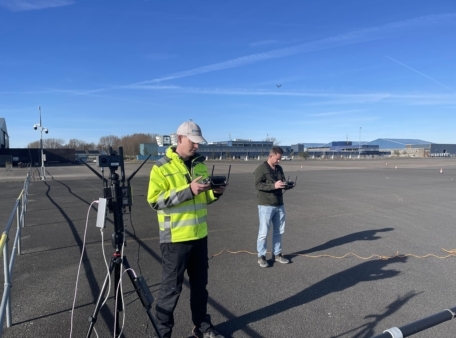
In March of 2026, Do IoT Fieldlab and MCS supported the startup Vydar at Unmanned Valley with wireless connectivity. Why? To test Vydars distributed sensor system designed to detect drones in our airspace from a great distance.
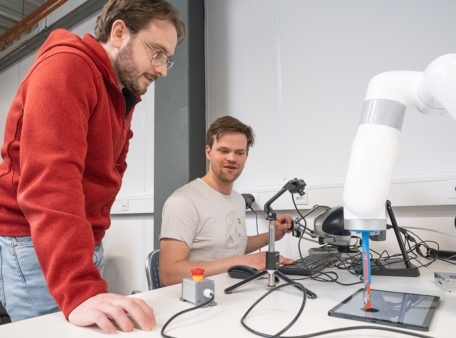
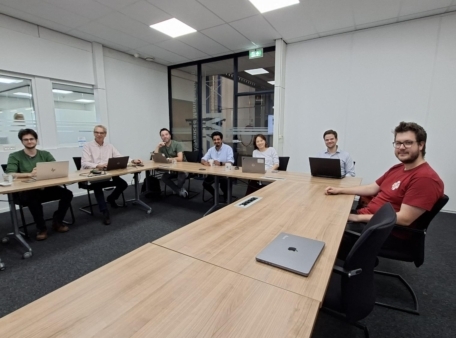
Ziggy Klein (25, in the photo with the red sweater) is a student of Internet of Things at Rotterdam University of Applied Sciences. During his search for an internship, he was looking for an environment where technology, innovation and hands-on research come together.
Voices of TU Delft Women: different perspectives on innovation
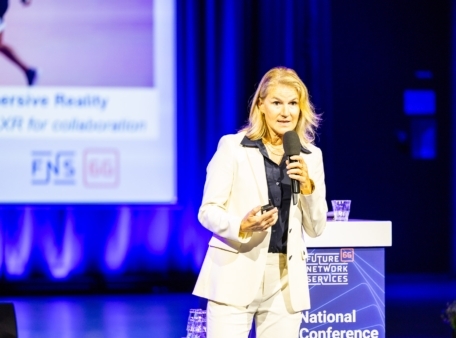
What happens when you bring together different generations, backgrounds, and experiences? According to Lenneke de Voogd-Claessen, it creates opportunities not only to learn from one another but also to develop new perspectives on innovation. As an active member of the Delft Female Impact Community, she is therefore committed to fostering greater visibility, connection, and awareness within the TU Delft ecosystem. On October 7, the annual community event will focus on “Voices of TU Delft Women.”